
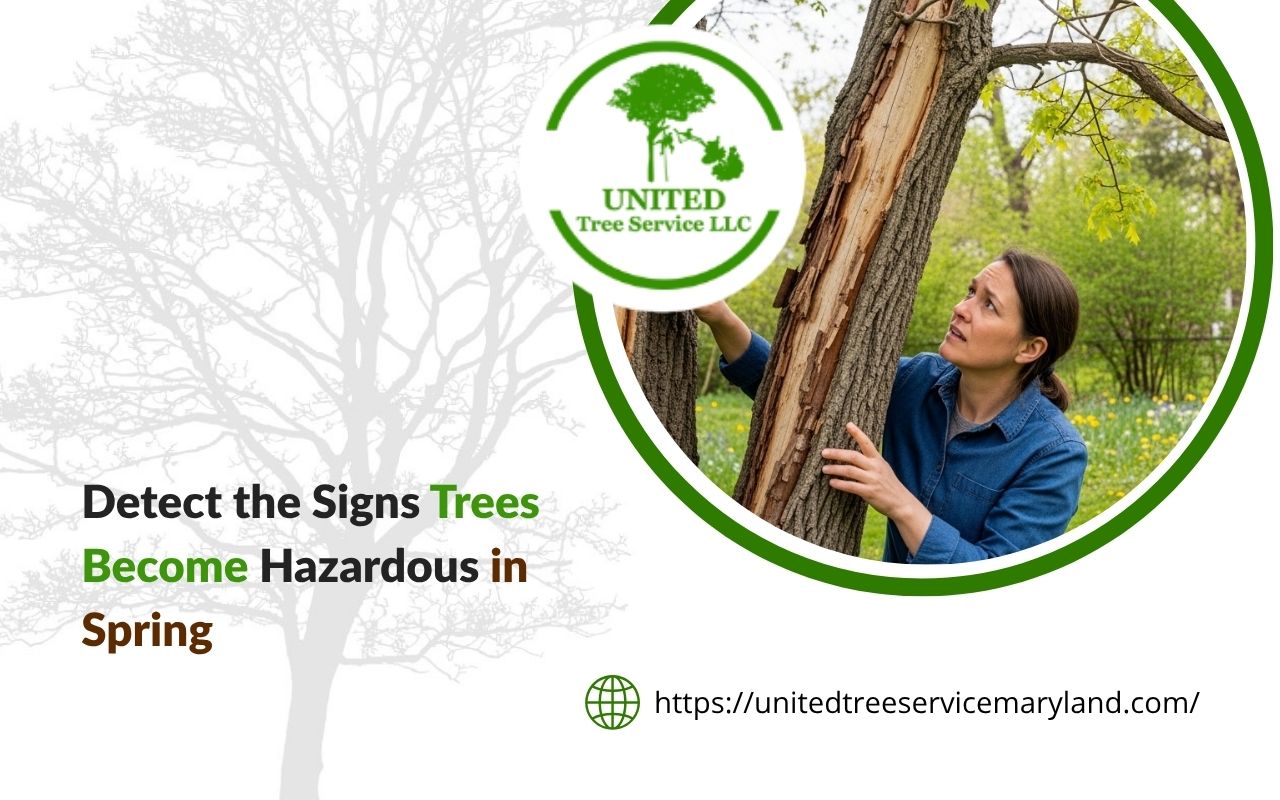
Step into your yard in spring, and you may see fresh buds, new leaves, and fast growth. While that looks healthy, it can also hide problems. Watching for signs that trees become hazardous in spring helps protect your home, loved ones, and outdoor spaces before damage starts.
Loose branches, raised roots, and trunk cracks are not small issues. Spring rain, wind, and soft soil can turn them into real dangers. We want to help you spot trouble early, lower stress, and avoid sudden calls for emergency tree service.
How Spring Growth Changes Tree Stability
Warmer weather and longer days push trees into a fast growing season. New shoots, leaves, and buds appear quickly, but that fast change can strain limbs that were weakened during winter. As a result, signs that trees become hazardous in spring may appear sooner than many homeowners expect.
Early spring wood is often softer than older wood. At the same time, the canopy gains weight and catches more wind. This mix increases fast tree growth risks, especially when heavy rain and gusty weather arrive before the tree can fully support its new growth.
Visible Warnings You Should Not Ignore
Some warning signs are easy to see once you know where to look. Bark splitting, peeling areas, hanging limbs, and a new lean can all point to stress or hidden decay. United Tree Service LLC often reminds homeowners that small outside changes can signal larger problems inside the tree.
- Cracks along the trunk or major limbs
- Branches falling without a clear cause
- Bulging roots or soil lifting near the base
- Holes, decay, or mushrooms around the trunk
These issues may grow worse during wet and windy weather. When you notice them early, you have more time to act before spring storm tree hazards threaten your house, driveway, or nearby power lines.
Checking Tree Health Before Storm Season
A healthy tree usually has even leaf growth, steady color, and a full canopy. When leaves look thin, patchy, or weak, the tree may be dealing with pests, disease, or root stress. That can make branches more likely to fail during spring storms.
Look at the trunk as well. Soft spots, hollow sounds, and fungal growth may mean the inside is weakening. United Tree Service LLC encourages early checks because hidden decay can reduce stability long before a tree looks dead from a distance.
What Branch Structure Says About Risk
Branch shape matters more than many people realize. Limbs that join the trunk at very tight angles often have weaker attachment points. Included bark, long seams, and visible splits can all raise the chance of a break when wind and rain add pressure.
This is one reason signs that trees become hazardous in spring should never be judged by leaves alone. A tree may look green and full, yet still have weak limb unions that need pruning, cabling, or removal to keep the property safe.
When Canopy Growth Starts Becoming Dangerous?
Dense canopies may look beautiful, but they also catch more wind and hold more rain. Overgrown limbs near roofs, walkways, and utility lines can scrape surfaces or break under pressure. United Tree Service LLC sees this problem often after strong spring weather moves through the area.
- Trim limbs hanging over your roof
- Remove deadwood before storms arrive
- Open crowded areas to improve airflow
- Keep branches away from lines and paths
Careful canopy work lowers spring storm tree hazards and helps trees grow in a safer way. It also reduces the chance that you will need urgent cleanup after a storm passes.
Root Problems That Affect Tree Safety
Roots hold the whole tree in place, so problems below ground can become serious fast. Exposed roots, lifted soil, and gaps near the trunk flare may point to weak anchoring. Wet spring soil can make those issues even worse.
Mulch, less foot traffic, and proper soil care can support stronger roots over time. United Tree Service LLC also advises homeowners to watch for mushrooms near the base, because they often suggest decay that may lead to instability.
Frequently Asked Questions
What are the most common signs that trees become hazardous in spring?
Common signs include trunk cracks, hanging limbs, exposed roots, mushrooms near the base, and a sudden lean. These changes often become more serious during wet and windy spring weather.
Why does spring make tree problems more noticeable?
Spring brings faster growth, softer soil, and stronger storms. Together, those conditions can expose weak limbs, stressed roots, and hidden decay that may not have been clear during winter.
How do fast tree growth risks affect my yard?
Fast tree growth risks can add weight to the canopy before the tree is ready to support it. That can increase the chance of branch failure near homes, driveways, fences, and utility lines.
When should I call for emergency tree service?
Call for emergency tree service when a tree is leaning suddenly, large limbs have broken, or branches are threatening your home, car, or power lines. Quick action helps prevent further damage.
Where can I learn more about tree danger signs?
You can review helpful guides about warning signs for tree removal, the risks of dead trees, and the benefits of emergency tree services.
Steps We Recommend for Safer Trees
Prevention is the best way to reduce damage during spring. Regular pruning, routine inspections, and simple soil care can lower risk before a storm puts pressure on weak parts of the tree. This is the best time to act on signs that trees become hazardous in spring instead of waiting for a failure.
- Schedule seasonal inspections for mature trees
- Prune dead, weak, or rubbing branches
- Protect root zones from heavy traffic
- Use mulch to help hold even soil moisture
- Keep help close with urgent tree care experts and trusted tree emergency services
When deeper problems are found, United Tree Service LLC is ready to help with safe next steps. You can reach United Tree Service LLC through our contact page or learn more about tree removal options for high-risk trees.